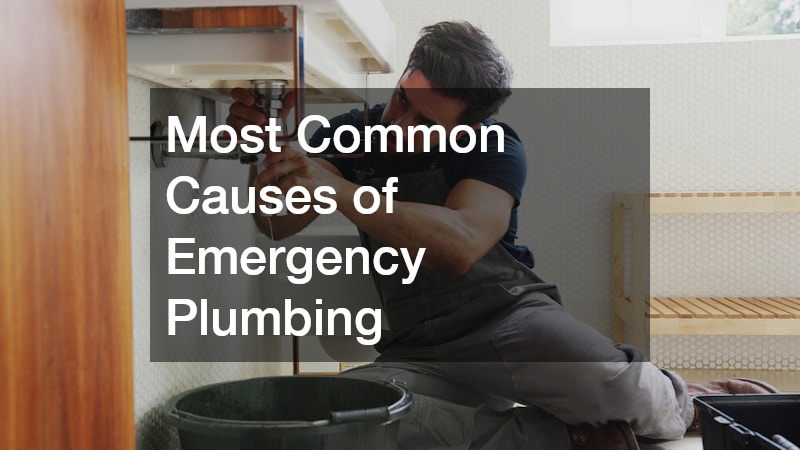

Plumbing problems have a way of going from minor inconvenience to full-blown crisis in a matter of minutes. A slow drip can suddenly become a burst, a small clog can turn into an overflow, and an unseen leak can soak floors before you even realize what is happening. In many homes, the most stressful situations involve water moving where it should not, because water damage can spread quickly through drywall, flooring, cabinets, and insulation. Understanding the most common causes of emergency plumbing can help you recognize warning signs early, reduce the risk of major damage, and know when it is time to shut off water and call for help.
Burst Pipes And Sudden Line Failures
A burst pipe is one of the clearest examples of an urgent plumbing situation. Pipes can fail due to freezing temperatures, age-related corrosion, shifting foundations, or excessive water pressure.
In cold weather, water expands as it freezes, which can crack pipes and cause them to burst when the ice thaws and pressure builds. Older metal piping can also weaken internally, thinning until it gives out. If you hear rushing water, notice an abrupt drop in water pressure, or see water spreading rapidly, treat it as emergency plumbing and locate your main shutoff valve immediately.
Major Clogs And Overflowing Fixtures
Clogs are common, but some become emergencies when they block the main sewer line or cause wastewater to back up into sinks, tubs, or floor drains. A single overflowing toilet can damage flooring and baseboards fast, while a backed-up sewer line can create serious sanitation concerns. Signs that a clog is more than a minor issue include multiple slow drains at once, gurgling sounds in pipes, water rising in the shower when a toilet flushes, or sewage odors. When those red flags show up, emergency plumbing service may be needed to clear the blockage safely and prevent further contamination.
Water Heater Leaks And Failures
Water heaters can fail in ways that demand immediate attention, especially if the tank is leaking or the pressure relief valve is discharging. Sediment buildup can reduce efficiency, overheat components, and stress the tank over time. Corrosion can also weaken the tank walls until they seep or rupture. Even a small leak at the base can quickly become a flood if the tank splits. If you see pooling water near the heater, hear popping sounds, or notice rust-colored water, it may be time to shut off the water supply to the unit and call emergency plumbing support before the leak worsens.
Hidden Leaks That Turn Into Big Damage
Some of the most expensive plumbing problems are the ones you do not see right away. Leaks behind walls, under slabs, or beneath cabinets can run for days or weeks, slowly saturating wood and drywall until swelling, staining, and mold appear. By the time you notice a musty smell or a damp spot on the ceiling, the leak may already be causing structural damage. A sudden spike in your water bill, unexplained warm spots on floors, or the sound of water running when fixtures are off can all point to a hidden leak. These scenarios often trigger emergency plumbing calls because the source can be difficult to access and the damage spreads quietly.
Sump Pump Failure And Basement Flooding
If your home relies on a sump pump, failure during heavy rain can lead to rapid flooding. Pumps can stop working due to power outages, clogged intake screens, stuck floats, or worn-out motors. In a major storm, groundwater can rise quickly, and a nonfunctional pump may not keep up. Basement flooding can damage stored items, saturate carpeting and drywall, and compromise electrical systems. Many homeowners treat this as emergency plumbing because the window to act is small, and the cleanup can be extensive if water is not managed quickly.
Sewer Line Problems And Backups
Sewer line issues are among the most urgent and unpleasant plumbing emergencies. Blockages can form from grease buildup, paper products, foreign objects, or collapsed pipe sections. Tree roots are another common factor, especially in older neighborhoods where lines may have small cracks that roots can exploit. A sewer backup is not just messy, it can introduce harmful bacteria into the home. If you notice sewage odors, recurring drain backups, or wastewater coming up through a floor drain, it is typically time to treat the situation as emergency plumbing and avoid using fixtures until the line is inspected and cleared.
Washing Machine Hoses And Appliance Supply Lines
Appliance supply lines are often overlooked until they fail. Washing machine hoses, dishwasher connections, refrigerator ice maker lines, and under-sink supply lines can leak or burst, sometimes without warning. Rubber washing machine hoses, in particular, can degrade over time, and a sudden failure can release a large volume of water in minutes. Even slow leaks can damage cabinets and flooring if they go unnoticed. If you see bulges on hoses, corrosion around connections, or recurring dampness near an appliance, replacing worn lines proactively can help avoid an emergency plumbing situation later.